
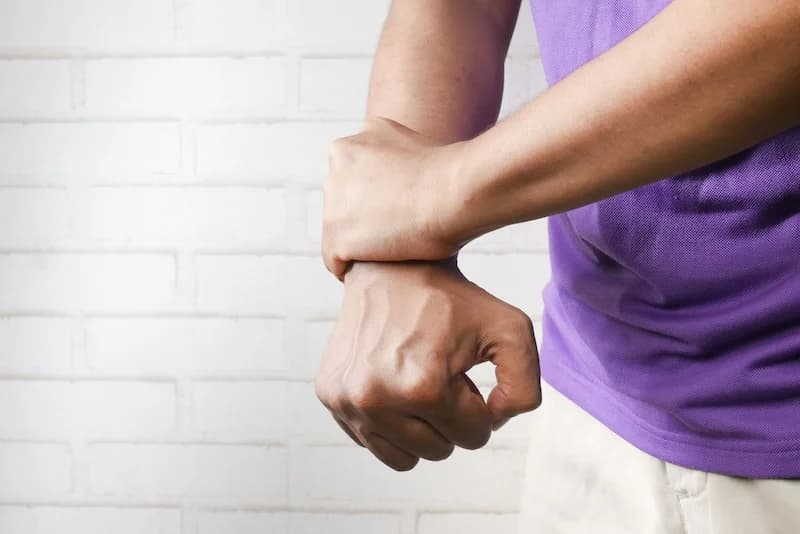
Walking For Better Bone And Joint Health

Learn why walking is good for bones, how it supports joint mobility, best practices for joint-friendly walking, and how to prevent pain and soreness while walking.
Walking is one of the best exercises for your bones and joints. Unlike high-impact activities that can stress your skeletal system, walking provides just the right amount of stimulus to strengthen bones and keep joints healthy without causing damage.
Here is how walking supports your skeletal health and how to walk in ways that protect your bones and joints.
Why Walking Is Good for Bones
Bones need stress to stay strong. Walking provides that stress in a safe, controlled way.
How Bones Respond to Walking
Bones are living tissue that constantly remodel themselves:
The remodeling process:
- Old bone is broken down (resorption)
- New bone is built (formation)
- Balance determines bone density
- Mechanical stress tips balance toward formation
Walking's mechanical effect:
- Impact from each step stimulates bone
- Muscles pulling on bones add additional stress
- Bones respond by becoming denser and stronger
- Effect is most pronounced in legs, hips, and spine
Weight-Bearing Exercise Explained
Walking is a weight-bearing exercise:
What this means:
- Your bones support your body weight
- Each step creates ground reaction force
- Force travels through legs to spine
- This force stimulates bone formation
Why it matters:
- Non-weight-bearing exercises (swimming, cycling) do not stimulate bones the same way
- Weight-bearing is essential for bone health
- Walking is the most accessible weight-bearing activity
Studies show that regular walkers have 5-8% higher bone density in the hip and spine compared to sedentary individuals. This difference significantly reduces fracture risk.
Bone Benefits by Location
Walking strengthens bones throughout your body:
Hip bones:
- High impact area during walking
- Significant density improvements
- Reduces hip fracture risk
Spine:
- Supports body weight during walking
- Postural muscles strengthen
- Vertebral density improves
Leg bones:
- Direct impact with each step
- Femur and tibia strengthen
- Ankle bones also benefit
Note: Arm bones receive less benefit since they are not weight-bearing during walking. Consider adding arm movements or hand weights for upper body bone health.
Preventing Osteoporosis
Walking helps prevent and manage osteoporosis:
Prevention:
- Building bone density before age 30
- Maintaining density through middle age
- Slowing loss after menopause
Management:
- Slows bone loss in those with osteoporosis
- Reduces fracture risk
- Improves balance (preventing falls)
- Safe for most people with bone loss
Who Benefits Most
While everyone benefits, some groups see particular advantages:
Postmenopausal women:
- Estrogen loss accelerates bone loss
- Walking helps counteract this
- Combined with calcium and vitamin D
Older adults:
- Natural bone loss with aging
- Walking slows the decline
- Improves balance to prevent falls
Those with family history:
- Genetic risk for osteoporosis
- Walking is preventive medicine
- Start early for best protection
How Walking Supports Joint Mobility
Contrary to what some believe, walking does not wear out joints. It actually helps keep them healthy.
Joint Anatomy and Walking
Understanding joint health:
Cartilage:
- Smooth tissue covering bone ends
- Provides cushioning and gliding
- Has no blood supply
- Gets nutrients from joint fluid
Synovial fluid:
- Lubricates the joint
- Delivers nutrients to cartilage
- Removes waste products
- Movement circulates this fluid
How walking helps:
- Movement pumps synovial fluid
- Cartilage gets nourished
- Waste is removed
- Joint stays healthy
Joints are designed for movement. The worst thing for joint health is prolonged inactivity. Walking keeps joints lubricated and nourished.
Walking and Arthritis
Walking benefits people with arthritis:
Osteoarthritis:
- Most common form
- Walking strengthens muscles around joints
- Reduces load on cartilage
- Improves function and reduces pain
Rheumatoid arthritis:
- Inflammatory condition
- Gentle walking reduces stiffness
- Maintains range of motion
- Should be done during low-inflammation periods
Research findings:
- Walking does not accelerate arthritis
- Regular walkers have less pain
- Function improves with consistent walking
- Quality of life increases
Maintaining Range of Motion
Walking preserves joint mobility:
Hip joints:
- Full range of motion with each step
- Prevents stiffness and contractures
- Maintains ability to walk normally
Knee joints:
- Bending and straightening with each step
- Strengthens supporting muscles
- Maintains flexibility
Ankle joints:
- Dorsiflexion and plantarflexion
- Maintains balance and gait
- Prevents stiffness
Muscle Support for Joints
Walking strengthens muscles that protect joints:
Quadriceps:
- Front of thigh
- Supports and stabilizes knee
- Reduces knee pain
Hamstrings:
- Back of thigh
- Balances quadriceps
- Protects knee from injury
Glutes:
- Buttock muscles
- Stabilize hip and pelvis
- Reduce stress on lower back
Calves:
- Support ankle
- Propel walking motion
- Maintain balance
Best Practices for Joint-Friendly Walking
Walk in ways that protect your joints while maximizing benefits.
Proper Walking Form
Good form reduces joint stress:
Posture:
- Stand tall, shoulders back
- Do not lean forward or backward
- Engage core lightly
- Look ahead, not down
Foot strike:
- Land on heel
- Roll through midfoot
- Push off with toes
- Avoid flat-footed slapping
Stride length:
- Natural, comfortable stride
- Do not overstride
- Shorter steps reduce impact
- Faster cadence is better than longer steps
Arm swing:
- Natural, relaxed swing
- Opposite arm and leg move together
- Do not clench fists
- Arms help balance and propulsion

Steps App
FreeSteps App tracks your daily walking without requiring you to think about it. The automatic step counting works in the background while you focus on proper form and enjoying your walk. Check your progress with home screen widgets and celebrate your consistency with streak achievements.
Choosing the Right Surface
Walking surface affects joint stress:
Best surfaces:
- Dirt or grass trails (natural cushioning)
- Rubberized tracks
- Treadmills with cushioning
- Smooth, even pavement
Surfaces to use cautiously:
- Concrete (hardest surface)
- Uneven terrain (ankle risk)
- Sand (unstable, high effort)
- Steep hills (increased joint load)
Adapting to surfaces:
- Slow down on harder surfaces
- Shorten stride on uneven ground
- Use proper footwear for conditions
Footwear Matters
Proper shoes protect joints:
Key features:
- Good arch support
- Adequate cushioning
- Proper fit (not too tight or loose)
- Flexibility at toe box
- Stable heel counter
When to replace:
- Every 300-500 miles
- When cushioning feels compressed
- When soles show wear patterns
- When you notice new aches
Getting fitted:
- Shop later in day (feet swell)
- Try both shoes
- Walk around the store
- Consider orthotic inserts if needed
Warming Up and Cooling Down
Proper transitions protect joints:
Warm-up (3-5 minutes):
- Start at slow pace
- Gradually increase speed
- Allows joints to lubricate
- Muscles warm up and lengthen
Cool-down (3-5 minutes):
- Gradually slow pace
- Do not stop abruptly
- Allows heart rate to normalize
- Gentle stretching after
Gradual Progression
Increase walking gradually:
The 10% rule:
- Increase weekly duration by no more than 10%
- Allows bones and joints to adapt
- Prevents overuse injuries
Listen to your body:
- Some muscle soreness is normal
- Joint pain is a warning sign
- Rest if pain persists
- Progress when pain-free
Sharp joint pain during or after walking is not normal. If you experience persistent joint pain, reduce your walking and consult a healthcare provider. Pain is your body's signal that something needs attention.
How to Prevent Pain and Soreness While Walking
Minimize discomfort and maximize enjoyment.
Common Sources of Pain
Understanding pain helps prevent it:
Muscle soreness:
- Normal after increasing activity
- Delayed onset (24-48 hours after)
- Improves with continued walking
- Different from joint pain
Joint pain:
- May indicate overuse or injury
- Should not be ignored
- May require rest or modification
- Consult provider if persistent
Foot pain:
- Often from poor footwear
- Plantar fasciitis is common
- Proper shoes usually help
- May need orthotics
Back pain:
- Often from poor posture
- Weak core muscles contribute
- Usually improves with walking
- Focus on form
Prevention Strategies
Keep pain at bay:
Strength training:
- Strong muscles protect joints
- 2-3 sessions per week
- Focus on legs, hips, core
- Bodyweight exercises work
Flexibility:
- Stretch after walking
- Focus on calves, hamstrings, hip flexors
- Hold stretches 30 seconds
- Do not stretch cold muscles
Rest days:
- Allow recovery between intense walks
- Easy walks are fine daily
- Take full rest if needed
- Listen to your body
Hydration:
- Dehydration affects joints
- Drink water before, during, after
- More in hot weather
- Urine should be light yellow
Weight management:
- Extra weight stresses joints
- Each pound adds 4 pounds of force on knees
- Walking helps manage weight
- Gradual weight loss is best
Managing Existing Conditions
Walk safely with joint issues:
If you have arthritis:
- Start with short walks
- Walk when joints feel best
- Avoid walking during flares
- Use assistive devices if needed
If you have had joint replacement:
- Follow surgeon's guidelines
- Walking is usually encouraged
- Start slowly and progress
- Report unusual symptoms
If you have back problems:
- Focus on posture
- Strengthen core
- Avoid hills initially
- Swimming can complement walking
When to Rest
Know when to take a break:
Rest if you experience:
- Sharp or stabbing pain
- Swelling in joints
- Pain that worsens with walking
- Pain that affects your gait
- Symptoms that do not improve with rest
How to rest effectively:
- Complete rest for acute pain
- Ice for inflammation (15-20 minutes)
- Elevate swollen joints
- Gentle movement when pain subsides
- Gradual return to walking
Recovery Strategies
Help your body recover:
After walking:
- Cool down with slow walking
- Gentle stretching
- Hydrate
- Rest if needed
For muscle soreness:
- Light activity helps
- Gentle stretching
- Adequate sleep
- Good nutrition
For joint stiffness:
- Keep moving gently
- Warm bath or shower
- Gentle range of motion exercises
- Do not push through pain
The Bottom Line
Walking is one of the best exercises for bone and joint health. It strengthens bones through weight-bearing stress, keeps joints lubricated and nourished, and builds the muscles that support your skeletal system. With proper form, appropriate footwear, and gradual progression, walking can be enjoyed safely by almost everyone.
Key takeaways:
- Walking is weight-bearing exercise that strengthens bones
- Movement lubricates joints and delivers nutrients to cartilage
- Proper form and footwear protect joints
- Gradual progression prevents overuse injuries
- Walking benefits people with arthritis and osteoporosis
- Joint pain is a warning sign that needs attention
- Consistency matters more than intensity
Start walking for your bones and joints today. Your skeletal system will thank you for years to come.
References
Free calculators for this topic
Related Posts
Walking for Weight Loss With Knee Pain: Safe Modifications and Progression
Learn how to walk for weight loss even with knee pain. Discover why walking can help your knees, modifications for painful days, and how to build up safely without making pain worse.

MET Values for Walking: Complete Chart by Speed and Terrain
Walking MET values range from 2.0 (very slow) to 8.0+ (very fast/incline). Use this complete MET chart for walking to calculate your exact calorie burn.
How Many Steps to Burn 500 Calories Walking?
Burning 500 calories walking takes roughly 10,000–17,500 steps for most adults. See the exact step count for your body weight and pace, plus a sample day plan.