
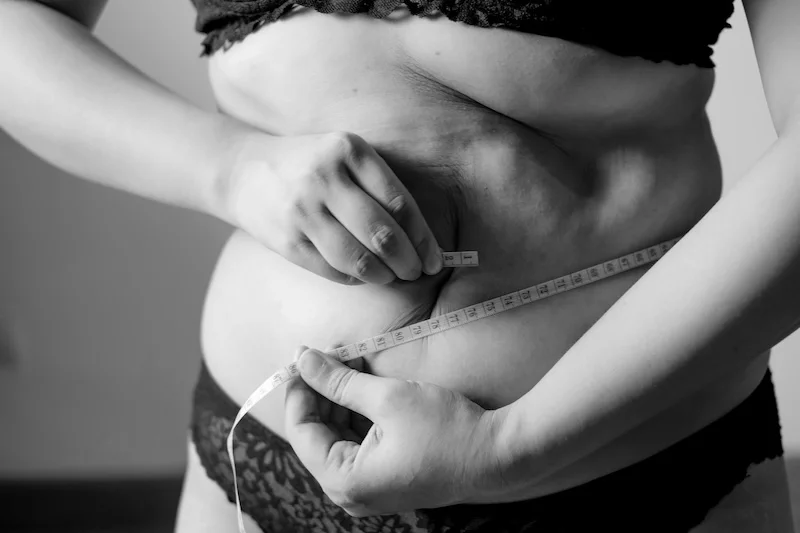
Does Walking Burn Belly Fat?

Learn why spot reduction is a myth, how walking helps reduce overall body fat, the best intensities and step targets for belly fat loss, and how diet influences results.
Belly fat is stubborn. It is often the first place you gain weight and the last place you lose it. Can walking help you lose belly fat specifically?
The short answer: walking helps reduce belly fat, but not because you can target it directly. Here is how it really works.
Why Spot Reduction Is a Myth
Let's address the most common misconception first.
What Spot Reduction Means
Spot reduction is the idea that you can lose fat from a specific body part by exercising that area:
- Crunches to lose belly fat
- Arm exercises to lose arm fat
- Leg exercises to lose thigh fat
This is a myth. It does not work that way.
Why Spot Reduction Does Not Work
Your body decides where to store and burn fat based on:
- Genetics
- Hormones
- Age
- Sex
When you exercise, your body pulls energy from fat stores throughout your entire body, not just the area you are working.
Multiple studies have confirmed that targeted exercises do not reduce fat in specific areas. In one study, participants did leg exercises for 12 weeks. They lost fat, but from their upper bodies as much as their legs.
Where Does Fat Go First?
When you lose fat, it typically comes off in the reverse order you gained it:
- If belly fat came on last, it may come off first
- If belly fat came on first, it may come off last
- This pattern is largely genetic
You cannot control where fat comes off. You can only control total fat loss.
The Good News
While you cannot spot-reduce belly fat, you can reduce overall body fat. As total body fat decreases, belly fat decreases too. Walking is an excellent tool for this.
How Walking Helps Reduce Overall Body Fat
Walking creates the conditions for fat loss throughout your body, including your belly.
Creating a Calorie Deficit
Fat loss requires burning more calories than you consume. Walking helps by:
- Burning 200-500 calories per hour (depending on weight and pace)
- Increasing daily energy expenditure
- Making calorie deficit easier to achieve
- Being sustainable for daily use
Targeting Visceral Fat
There are two types of belly fat:
Subcutaneous fat: The fat you can pinch (under the skin) Visceral fat: The fat around your organs (deeper, more dangerous)
Research shows that aerobic exercise like walking is particularly effective at reducing visceral fat, even without significant weight loss on the scale.
Improving Insulin Sensitivity
Walking improves how your body handles blood sugar:
- Better insulin sensitivity
- Less fat storage around the midsection
- Reduced risk of metabolic syndrome
High insulin levels promote belly fat storage. Walking helps regulate insulin.
Reducing Cortisol
Stress increases cortisol, which promotes belly fat storage:
- Walking reduces stress
- Lower cortisol levels
- Less belly fat accumulation
- Better overall fat distribution
Building Muscle
While walking is not a strength exercise, it does:
- Engage leg muscles
- Activate core muscles
- Build some muscle endurance
More muscle means higher resting metabolism, which helps with fat loss.
Walking after meals is particularly effective for blood sugar control and may help prevent fat storage around the midsection. A 15-minute post-meal walk can significantly improve glucose response.
Best Intensities and Step Targets for Belly Fat Loss
Not all walking is equal for fat loss. Here is how to optimize.
The Fat-Burning Zone Myth
You may have heard about the "fat-burning zone" where you burn a higher percentage of fat at lower intensities. While technically true, it is misleading:
- Lower intensity: 60% of calories from fat
- Higher intensity: 40% of calories from fat
But higher intensity burns more total calories, so more total fat:
Brisk walking burns more fat despite a lower percentage.
Optimal Walking Intensity
For belly fat loss, aim for:
Moderate to brisk pace:
- 3.0-4.0 mph
- Slightly breathless but can still talk
- Heart rate 50-70% of maximum
Interval walking:
- Alternate 2-3 minutes brisk with 1-2 minutes easy
- Burns more calories than steady pace
- Keeps metabolism elevated after exercise
Step Targets for Fat Loss
Research-backed targets:
For belly fat specifically, consistency at 10,000+ steps provides best results.
Duration Matters
Longer walks burn more fat:
- First 20-30 minutes: Body uses primarily glucose
- After 30 minutes: Body shifts to burning more fat
- 45-60 minutes: Optimal for fat burning
If possible, include at least one longer walk (45-60 minutes) per week.
Adding Incline
Walking uphill or on a treadmill incline:
- Burns 50-100% more calories
- Engages more muscles
- Increases metabolic demand
- Particularly effective for belly fat
Try adding 5-10% incline for portions of your walk.

Steps App
FreeSteps App helps you track your daily steps and see weekly trends. Set a goal of 10,000+ steps for fat loss, and use the insights to ensure you are hitting your targets consistently. The long-term charts show whether your activity level supports your belly fat loss goals.
How Diet Influences Belly Fat Reduction
Walking alone has limits. Diet plays a crucial role in belly fat loss.
The 80/20 Rule
Many fitness experts suggest:
- 80% of weight loss comes from diet
- 20% comes from exercise
This may be oversimplified, but it highlights diet's importance.
Calories Still Matter
Walking burns 300-500 calories per hour. One large meal can add 1,000+ calories. You cannot out-walk a bad diet.
Example:
- 60-minute walk: Burns 400 calories
- Large fast food meal: 1,200 calories
- Net: 800 calorie surplus
Walking helps, but dietary choices have a bigger impact.
Foods That Promote Belly Fat
Limit these for faster belly fat loss:
Sugary foods and drinks:
- Soda, juice, sweetened coffee
- Candy, cookies, pastries
- Added sugars in processed foods
Refined carbohydrates:
- White bread, white rice
- Pasta made from white flour
- Most packaged snacks
Alcohol:
- High in empty calories
- Promotes fat storage around the midsection
- Increases appetite
Trans fats:
- Found in some fried foods
- Some packaged baked goods
- Partially hydrogenated oils
Sugary drinks are particularly problematic for belly fat. Liquid calories do not satisfy hunger like solid food, making it easy to consume excess calories. Switching from soda to water can significantly impact belly fat.
Foods That Help Reduce Belly Fat
Focus on these:
Protein:
- Keeps you full longer
- Preserves muscle during weight loss
- Requires more energy to digest
- Sources: lean meat, fish, eggs, legumes, Greek yogurt
Fiber:
- Promotes fullness
- Slows digestion
- Feeds healthy gut bacteria
- Sources: vegetables, fruits, whole grains, legumes
Healthy fats:
- Satisfying and nutrient-dense
- Do not spike insulin
- Sources: avocado, nuts, olive oil, fatty fish
Water:
- Zero calories
- Helps with fullness
- Supports metabolism
- Replaces caloric beverages
A Simple Dietary Approach
For belly fat loss, consider:
- Reduce added sugars: Especially sugary drinks
- Eat more protein: At every meal
- Fill half your plate with vegetables: At every meal
- Limit alcohol: Or eliminate temporarily
- Drink water: Instead of caloric beverages
Combined with walking, these changes produce significant results.
Realistic Expectations for Belly Fat Loss
Set appropriate expectations to stay motivated.
Timeline for Visible Results
With consistent walking (10,000+ steps) and dietary changes:
- Week 1-2: May notice clothes fitting slightly better
- Week 3-4: Possible 1-2 inch reduction in waist
- Month 2-3: Noticeable visual changes
- Month 4-6: Significant belly fat reduction
Results vary based on starting point, consistency, and genetics.
Measuring Progress
The scale is not the best measure for belly fat. Better options:
Waist circumference:
- Measure at navel level
- Track weekly
- Most direct measure of belly fat
How clothes fit:
- Pants fitting looser
- Belt notches
- Shirt fit around midsection
Progress photos:
- Same lighting and pose
- Weekly or bi-weekly
- Shows changes the mirror misses
Body fat percentage:
- More accurate than weight
- Requires special equipment
- Shows fat loss even if weight stays same
Why the Scale Lies
You might be losing belly fat while:
- Gaining muscle
- Retaining water
- Having digestive fluctuations
The scale can stay the same or even go up while belly fat decreases.
Patience Is Required
Belly fat is often the last to go:
- It accumulated over years
- It will take months to reduce significantly
- Consistency matters more than speed
- Sustainable habits beat quick fixes
Putting It All Together
Here is a practical plan for using walking to reduce belly fat.
Daily Habits
- Walk 10,000+ steps daily
- Include one 45-60 minute walk per week
- Add intervals or incline 2-3 times per week
- Walk after meals when possible
Dietary Habits
- Reduce sugary drinks and foods
- Eat protein at every meal
- Fill half your plate with vegetables
- Drink plenty of water
Tracking Habits
- Measure waist weekly
- Take progress photos monthly
- Track daily steps
- Monitor weekly averages
Mindset Habits
- Focus on consistency over perfection
- Celebrate non-scale victories
- Be patient with belly fat specifically
- Trust the process
The Bottom Line
Walking does help burn belly fat, but not through spot reduction. It works by reducing overall body fat, improving insulin sensitivity, lowering cortisol, and creating a calorie deficit. Combined with dietary changes, walking is an effective and sustainable approach to belly fat loss.
Key takeaways:
- Spot reduction is a myth
- Walking reduces overall body fat, including belly fat
- Aim for 10,000+ steps daily for fat loss
- Brisk walking and intervals are most effective
- Diet plays a crucial role
- Reduce sugar and increase protein
- Measure waist, not just weight
- Be patient; belly fat takes time
Your belly fat did not appear overnight, and it will not disappear overnight. But with consistent walking and smart eating, it will reduce over time.
References
Free calculators for this topic
Related Posts
Can You Lose Belly Fat by Walking 1 Hour a Day? Here's What Science Says
Learn the truth about walking and belly fat. Understand spot reduction, how many calories 1 hour of walking burns, and how to combine walking with nutrition for results.
A Simple Walking Routine To Lose Weight
Discover what makes a walking routine effective, follow a sample weekly plan for steady fat loss, learn how to scale duration and intensity, and get tips for long-term consistency.
Does Walking 10,000 Steps A Day Help You Lose Weight?
Discover the truth behind the 10,000 steps number, how many steps you actually need for fat loss, realistic ways to reach 10K daily, and how to boost calorie burn beyond step count.