
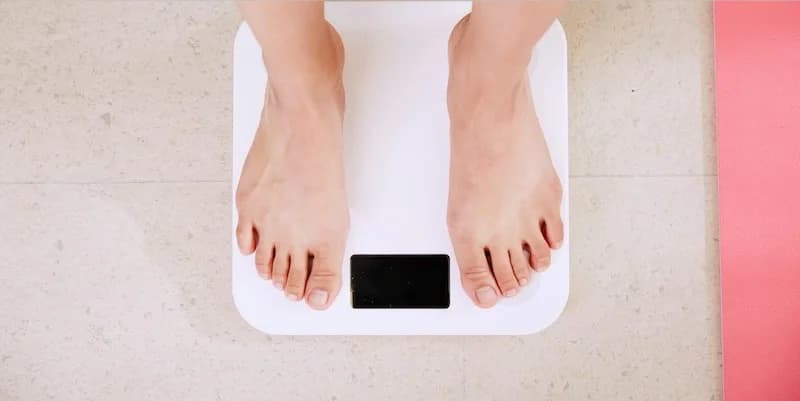
Does Walking 10,000 Steps a Day Help You Lose Weight? The Real Answer

Discover the truth behind the 10,000 steps goal. Learn where this number came from, how it affects calorie burn, and how to use step tracking for weight loss.
The 10,000 steps goal is everywhere. Fitness trackers default to it, health articles recommend it, and friends challenge each other to hit it. But does walking 10,000 steps actually help you lose weight?
The answer is nuanced. Let us explore where this number came from, what it actually does for your body, and whether it is the right goal for you.
Where Did the 10,000 Steps Number Come From?
Here is a surprising fact: the 10,000 steps goal has no scientific origin. It started as a marketing campaign.
The Japanese Pedometer Story
In 1965, a Japanese company called Yamasa Clock created a pedometer called "Manpo-kei," which translates to "10,000 steps meter." The name was chosen because the Japanese character for 10,000 looks like a person walking, and it was a round, memorable number.
The marketing was successful, and the 10,000 steps goal spread worldwide. Over time, it became accepted as a health standard, even though it was never based on scientific research.
What Science Actually Says
Recent research has examined what step counts actually correlate with health benefits:
- A 2019 study in JAMA Internal Medicine found that mortality risk decreased significantly up to about 7,500 steps per day, with diminishing returns beyond that
- A 2020 study found that 4,400 steps per day was associated with significantly lower mortality compared to 2,700 steps
- Benefits continue to increase up to about 10,000 steps, but the biggest gains happen between 2,000 and 7,500 steps
The 10,000 step goal is not wrong, but it is not a magic number either. For many people, 7,500 steps provides most of the health benefits without the pressure of hitting a higher target.
How 10,000 Steps Affects Your Daily Calorie Burn
Let us look at the actual calorie impact of walking 10,000 steps.
Calories Burned at 10,000 Steps
The calories you burn depend on your weight:
For most people, 10,000 steps burns 350 to 500 calories. This is equivalent to walking about 5 miles (8 km).
Comparing Step Counts
Here is how different step counts compare for a 155-pound person:
Going from 5,000 to 10,000 steps doubles your calorie burn from walking. That is an extra 1,225 calories per week, which can lead to about 0.5 kg (1 lb) of weight loss every three weeks from walking alone.
Weight Loss Expectations With 10,000 Steps Alone
Can you lose weight just by walking 10,000 steps? Yes, but results depend on your starting point and diet.
If You Currently Walk Very Little
Most sedentary people take 2,000 to 4,000 steps per day without trying. Increasing to 10,000 steps means adding 6,000 to 8,000 steps, which burns an extra 200 to 350 calories daily.
Over a month, this could lead to:
- 0.5 to 1 kg (1 to 2 lbs) of weight loss
- Reduced waist circumference
- Improved fitness and energy
If You Already Walk Moderately
If you already take 6,000 to 7,000 steps daily, adding 3,000 to 4,000 more steps burns an extra 100 to 175 calories per day. Weight loss will be slower but still meaningful over time.
The Diet Factor
Here is the reality: you cannot out-walk a bad diet. One large muffin (400 to 500 calories) can erase the calorie burn from 10,000 steps. For significant weight loss, combine walking with mindful eating.
Do not use walking as an excuse to eat more. Many people unconsciously increase food intake when they exercise, which cancels out the calorie deficit.
How to Realistically Reach 10,000 Steps Daily
If you are not currently hitting 10,000 steps, here is how to get there without overwhelming yourself.
Week 1 to 2: Find Your Baseline
Track your steps without changing anything. Most people are surprised by how few steps they take. Knowing your baseline helps you set realistic targets.
Week 3 to 4: Add 2,000 Steps
Add a 15 to 20 minute walk to your daily routine. This adds about 2,000 steps. Do this consistently before adding more.
Week 5 to 6: Add Another 2,000 Steps
Add a second walk or find ways to walk more throughout the day:
- Take the stairs instead of the elevator
- Park further from entrances
- Walk during phone calls
- Take a walk at lunch
Week 7 to 8: Fine-Tune to Reach 10,000
By now, you should be close to 10,000 steps. Make small adjustments to consistently hit your goal:
- Walk to nearby errands instead of driving
- Take a short evening walk after dinner
- Walk while waiting (for appointments, pickups, etc.)
Do not try to jump from 3,000 to 10,000 steps immediately. Gradual increases are more sustainable and reduce injury risk.
How to Boost Calorie Burn Beyond Step Count
Once you are hitting 10,000 steps, you can increase calorie burn without adding more steps:
Walk Faster
Brisk walking burns 20 to 30 percent more calories than slow walking. Aim for a pace where you can talk but not sing.
Add Inclines
Walking uphill or on an incline burns 15 to 30 percent more calories than flat walking. Seek out hilly routes or use a treadmill incline.
Use Interval Walking
Alternate between fast and moderate paces:
- 2 minutes fast
- 1 minute moderate
- Repeat for your entire walk
This burns more calories and improves cardiovascular fitness faster than steady-state walking.
Carry Light Weights
Walking with light hand weights (1 to 2 lbs) or wearing a weighted vest increases calorie burn. Start light to avoid joint stress.
Engage Your Arms
Swing your arms actively while walking. This engages your upper body and burns 5 to 10 percent more calories.
How an App Can Help You Hit 10,000 Steps Consistently
Tracking your steps is essential for reaching your goal. What gets measured gets managed.
Why Tracking Works
Studies show that people who track their steps walk 2,000 to 2,500 more steps per day on average. Seeing your progress in real-time motivates you to keep moving.
Tracking also helps you:
- Identify low-activity days and patterns
- Set and achieve weekly goals
- Build streaks that reinforce the habit
- See long-term progress over weeks and months

Steps App
FreeSteps App makes hitting 10,000 steps easier. It automatically tracks your steps, shows your progress with beautiful widgets, and helps you see trends over time. Watch your daily count grow and celebrate when you hit your goal.
Tips for Using Step Tracking Effectively
Check your steps throughout the day. Do not wait until evening to see where you stand. A quick glance at lunch lets you adjust your afternoon plans.
Set milestone reminders. If you are at 5,000 steps by noon, you are on track. If you are at 2,000, you know to prioritize walking in the afternoon.
Focus on weekly averages. One low day will not ruin your progress. Aim for an average of 10,000 steps over the week, not perfection every day.
Celebrate streaks. Hitting 10,000 steps for 7 days straight is an achievement. Use streaks to motivate continued effort.
Is 10,000 Steps Right for Everyone?
The 10,000 step goal works for many people, but it is not universal.
When 10,000 Steps Is Too Much
- If you are recovering from injury or illness
- If you have joint problems or chronic pain
- If you are significantly overweight and new to exercise
- If it causes stress or feels unattainable
In these cases, a lower goal (5,000 to 7,500 steps) is more appropriate. You can always increase later.
When 10,000 Steps Is Not Enough
- If you are already very active
- If you have aggressive weight loss goals
- If you want to improve athletic performance
For these people, 12,000 to 15,000 steps or adding other exercise may be more appropriate.
The Best Goal Is Personal
Your ideal step count depends on your current fitness, health status, and goals. Start where you are, improve gradually, and find a sustainable target.
The Bottom Line
Does walking 10,000 steps a day help you lose weight? Yes, but it is not a magic number. The 10,000 step goal originated from marketing, not science. Research shows health benefits start at lower step counts and continue to increase up to about 10,000.
For weight loss, 10,000 steps burns 350 to 500 calories depending on your weight. Combined with a balanced diet, this can lead to 0.5 to 1 kg of weight loss per month.
The most important thing is to move more than you currently do. Whether your goal is 7,500, 10,000, or 12,000 steps, consistency matters more than the exact number.
References
- JAMA Internal Medicine: Association of Daily Step Count and Mortality
- Harvard Health: 10,000 Steps a Day
- British Journal of Sports Medicine: Step Count and Health Outcomes
- CDC: Physical Activity Guidelines
- Mayo Clinic: Walking for Fitness
- International Journal of Behavioral Nutrition and Physical Activity: Pedometer Studies
Free calculators for this topic
Related Posts
Does Walking 10,000 Steps A Day Help You Lose Weight?
Discover the truth behind the 10,000 steps number, how many steps you actually need for fat loss, realistic ways to reach 10K daily, and how to boost calorie burn beyond step count.

How Many Calories Does 10,000 Steps Burn? (By Weight & Pace)
10,000 steps burns roughly 300–500 calories for most adults. See the exact breakdown by body weight and walking pace, plus the formula behind the math.
A Simple Walking Routine To Lose Weight
Discover what makes a walking routine effective, follow a sample weekly plan for steady fat loss, learn how to scale duration and intensity, and get tips for long-term consistency.