
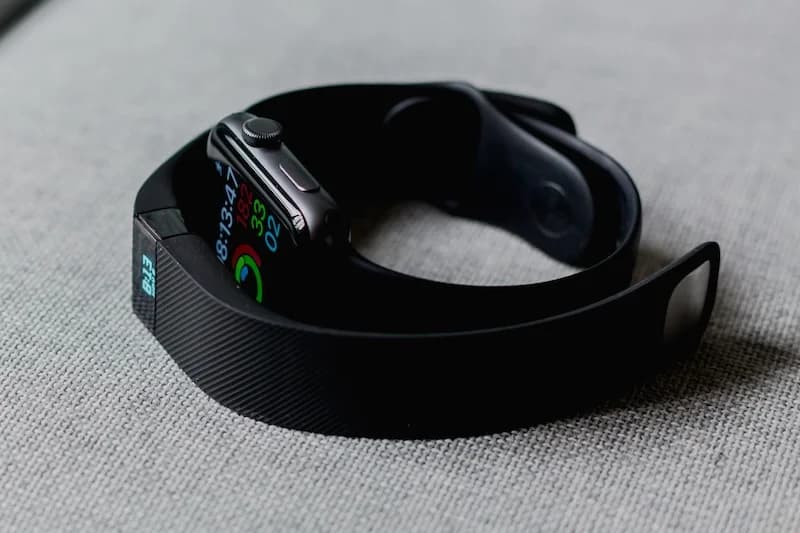
Smartphone Vs Fitbit Step Accuracy Compared

Learn how step tracking works on smartphones, how Fitbit and wearables count steps differently, which device tends to be more accurate, and how to improve accuracy regardless of device.
Many people wonder whether their smartphone or a dedicated fitness tracker like Fitbit provides more accurate step counts. The answer is not as simple as one being universally better than the other. Both have strengths and limitations.
Here is a detailed comparison of smartphone and Fitbit step accuracy to help you understand what to expect from each.
How Step Tracking Works on Smartphones
Understanding smartphone step counting helps explain its accuracy.
The Sensors Involved
Modern smartphones contain sophisticated motion sensors:
Accelerometer:
- Measures acceleration in three dimensions (x, y, z)
- Detects the up-and-down motion of walking
- Primary sensor for step counting
- Very accurate for detecting movement
Gyroscope:
- Measures rotational movement
- Helps distinguish walking from other activities
- Improves step detection accuracy
- Works with accelerometer for better results
Motion coprocessor:
- Dedicated chip for motion processing
- Continuously monitors sensors
- Energy-efficient operation
- Processes data without main CPU
The Detection Algorithm
Software converts sensor data into step counts:
Pattern recognition:
- Looks for walking signature in sensor data
- Identifies rhythmic up-and-down motion
- Filters out non-walking movements
- Counts confirmed steps
Thresholds and filters:
- Minimum motion required to count
- Timing between steps must be reasonable
- Unusual patterns are filtered out
- Prevents overcounting from random motion
Smartphone step counting has improved dramatically over the years. Modern iPhones and Android phones use machine learning algorithms that can distinguish walking from other activities with high accuracy.
Smartphone Limitations
Phones have inherent constraints for step counting:
Placement variability:
- Phone may be in pocket, bag, or hand
- Different positions affect sensor readings
- Loose placement reduces accuracy
- Not always with you
Missed steps:
- Phone left on desk during walking
- Phone in bag that does not move with body
- Very slow walking may not register
- Some activities are hard to detect
Overcounting potential:
- Driving on bumpy roads (rare)
- Certain repetitive movements
- Generally minimal with modern algorithms
How Fitbit and Wearables Count Steps Differently
Wrist-worn devices have different characteristics.
Wrist-Based Sensors
Fitbit and similar devices use:
Accelerometer:
- Same basic technology as phones
- Tuned for wrist movement patterns
- Detects arm swing during walking
- Smaller, more sensitive sensors
Gyroscope (some models):
- Additional rotation detection
- Improves accuracy
- Helps filter non-walking movements
Heart rate sensor (some models):
- Can confirm physical activity
- Helps validate step counting
- Distinguishes active from passive movement
Wrist-Specific Algorithms
Wearables use specialized detection:
Arm swing detection:
- Looks for natural arm swing pattern
- Correlates with walking rhythm
- Different from phone algorithms
Activity classification:
- Distinguishes walking from other arm movements
- Filters out typing, eating, gesturing
- Uses pattern recognition
Wearable Advantages
Wrist devices have some benefits:
Always with you:
- Worn constantly
- Does not get left behind
- Captures all walking activity
- No placement variation
Consistent position:
- Always on wrist
- Predictable sensor orientation
- Algorithms optimized for this position
Additional data:
- Heart rate confirmation
- Sleep tracking
- All-day wear data
Wearable Limitations
Wrist tracking has its own challenges:
Arm swing dependency:
- Requires natural arm swing
- Pushing cart or stroller affects counting
- Carrying objects reduces accuracy
- Hands in pockets problematic
False positives:
- Arm movements without walking
- Gesturing, cooking, brushing teeth
- Some activities trigger false steps
Individual variation:
- Different arm swing patterns
- Walking styles vary
- May need calibration
Neither smartphones nor wearables are perfect. Both can miss steps and occasionally count extra steps. The key is understanding their limitations and choosing based on your lifestyle.
Which Device Tends to Be More Accurate
Research and real-world experience provide insights.
What Studies Show
Research comparing devices reveals:
General findings:
- Both are reasonably accurate (within 5-10%)
- Accuracy varies by activity and conditions
- Neither is consistently superior
- Individual results vary
Controlled studies:
- Laboratory conditions favor both
- Real-world accuracy is lower
- Consistency matters more than perfection
Smartphone Accuracy
Phones perform well in certain situations:
When phones excel:
- Phone in pocket, moving with body
- Normal walking pace
- Consistent phone placement
- Regular walking patterns
Typical accuracy:
- 95-98% accurate in ideal conditions
- 85-95% in typical daily use
- Can miss steps when phone is stationary
Fitbit Accuracy
Wearables have their own strengths:
When Fitbit excels:
- Natural arm swing while walking
- Consistent wear
- Normal walking activities
- All-day tracking
Typical accuracy:
- 95-97% accurate with natural arm swing
- Can overcount with arm movements
- May undercount when pushing objects
Head-to-Head Comparison
The Verdict
Neither is universally more accurate:
Smartphone is better when:
- You always carry your phone
- You push carts or strollers often
- You want simplicity (no extra device)
- Privacy is important
Fitbit is better when:
- You often leave phone behind
- You have natural arm swing
- You want all-day tracking guaranteed
- You value additional health metrics

Steps App
FreeSteps App provides accurate step tracking using your iPhone's built-in sensors. By leveraging Apple Health integration and advanced algorithms, it delivers reliable step counts without requiring an additional wearable device. For most people, the phone they already carry is sufficient for effective step tracking.
How to Improve Accuracy Regardless of Device
Maximize accuracy with these strategies.
For Smartphone Users
Optimal phone placement:
- Front pants pocket is best
- Back pocket works well
- Jacket pocket is good
- Avoid loose bags or purses
Carry consistently:
- Same pocket each day
- Phone moves with your body
- Do not leave phone behind when walking
Ensure tracking is enabled:
- Motion & Fitness permissions on
- Health app access granted
- Battery optimization not blocking tracking
Keep software updated:
- Updates improve algorithms
- Bug fixes for tracking issues
- New features may enhance accuracy
For Wearable Users
Proper fit:
- Snug but comfortable
- About one finger width above wrist bone
- Not too loose or tight
- Consistent placement
Natural arm swing:
- Let arms swing naturally
- Avoid keeping hands in pockets
- Carry objects in hands when possible
Activity tagging:
- Log workouts for better tracking
- Use activity modes when available
- Helps device learn your patterns
Regular syncing:
- Sync data frequently
- Keeps algorithms calibrated
- Ensures data is not lost
For Both Devices
Walk naturally:
- Maintain normal gait
- Consistent rhythm
- Do not shuffle or drag feet
Calibrate when possible:
- Some devices allow stride length input
- GPS walks can calibrate distance
- Improves overall accuracy
Accept imperfection:
- No device is 100% accurate
- Trends matter more than exact counts
- Consistency is more important than precision
Do not obsess over small differences between devices. A 5-10% variance is normal and expected. Focus on your overall activity trends rather than exact step counts.
Comparing Your Devices
If you use both smartphone and wearable:
Expect differences:
- Counts will rarely match exactly
- 5-10% variance is normal
- Different algorithms, different results
Choose one as primary:
- Pick one device to track officially
- Use that for goals and trends
- Reduces confusion
Understand the discrepancy:
- Wearable may count more (arm movements)
- Phone may count less (left behind)
- Neither is "wrong"
When Accuracy Matters Most
Consider accuracy in context.
For General Health
Exact accuracy is less important:
- Trends matter more than numbers
- Consistency is key
- Approximate counts are sufficient
- 8,000 vs 8,400 steps makes little difference
For Research or Medical Purposes
Higher accuracy may be needed:
- Research-grade devices exist
- Medical studies use validated equipment
- Consumer devices are not clinical tools
- Discuss with healthcare provider if critical
For Motivation
Perceived accuracy affects motivation:
- Trust in your device matters
- Consistent tracking builds habits
- Accuracy concerns can be demotivating
- Choose device you trust
For Competitions
Step challenges require fairness:
- Everyone should use same type of device
- Or accept that counts will vary
- Focus on personal improvement
- Do not compare exact numbers across devices
The Bottom Line
Both smartphones and Fitbit-style wearables provide reasonably accurate step counts for most purposes. Smartphones excel when carried consistently and are better for activities like pushing carts. Wearables excel at all-day tracking and never being left behind. Neither is perfect, and both are accurate enough for health and fitness tracking.
Key takeaways:
- Both devices use accelerometers and algorithms to count steps
- Smartphones need to be carried to count; wearables are always on
- Wearables depend on arm swing; phones work in pockets
- Both are typically 90-98% accurate in normal conditions
- Optimal placement and natural walking improve accuracy
- Choose based on your lifestyle and preferences
- Trends and consistency matter more than exact counts
Use whichever device fits your life and trust that it is accurate enough to help you reach your health goals.
References
Free calculators for this topic
Related Posts
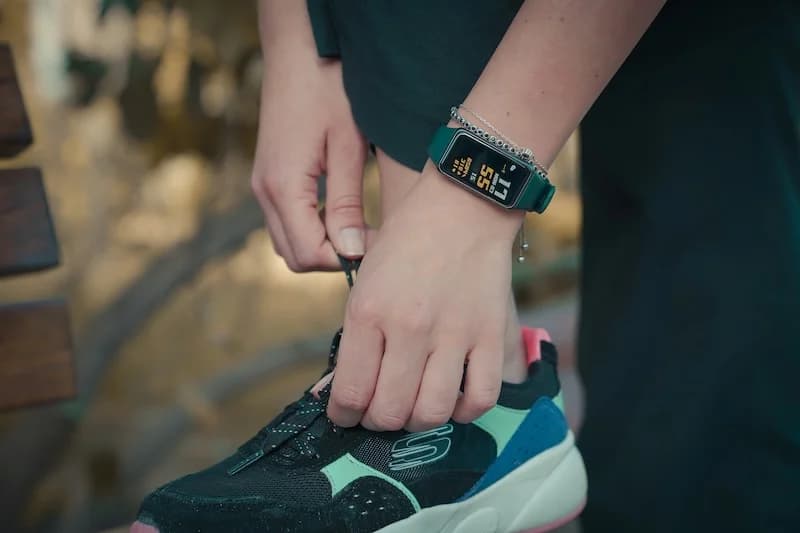
Fitness Tracker Vs Smartphone Step Accuracy
Understand why accuracy varies between devices, how phone placement affects counting, how wrist devices differ in measurement, and best practices to get the most accurate step data.
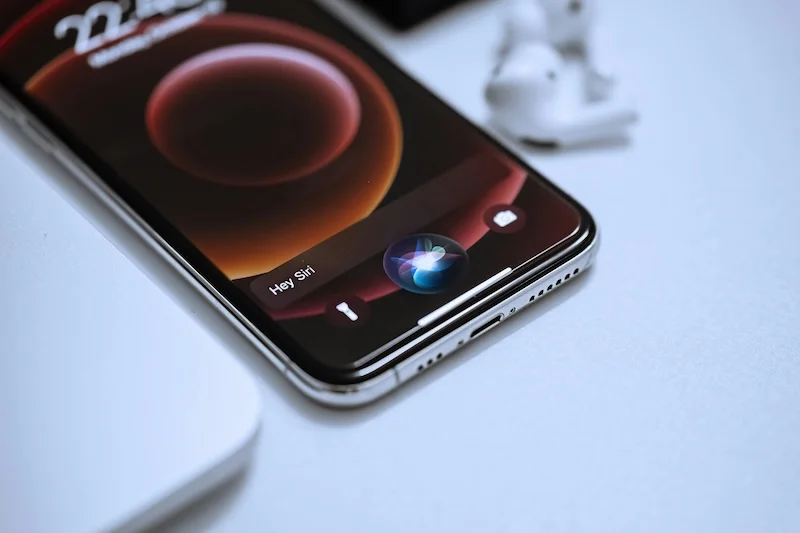
How To Improve Smartphone Step Counting Accuracy
Learn how to carry your phone for best results, how walking style affects step detection, phone settings that improve precision, and how to verify accuracy with simple checks.
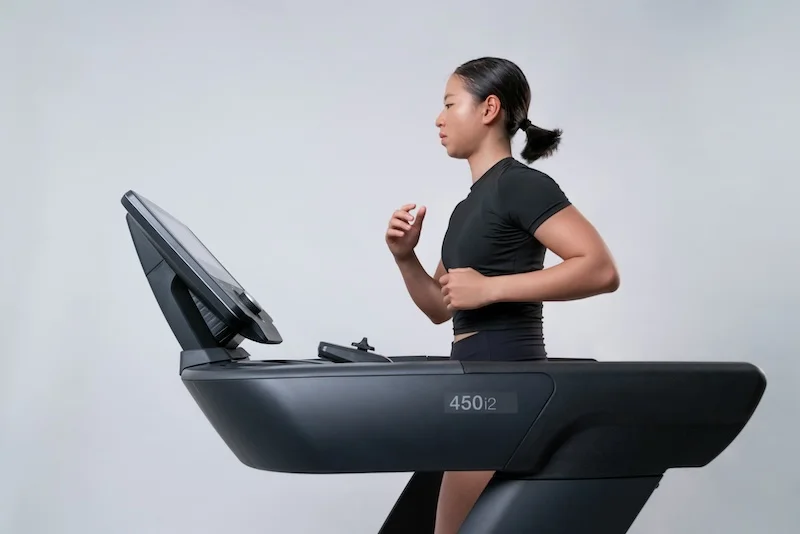
Treadmill vs Outdoor Walking for Weight Loss: Which Is Better?
Compare calorie burn, consistency, joint impact, and mental benefits of treadmill and outdoor walking. Learn when each option works best for weight loss.