

Can You Lose Belly Fat by Walking 1 Hour a Day? Here's What Science Says

Learn the truth about walking and belly fat. Understand spot reduction, how many calories 1 hour of walking burns, and how to combine walking with nutrition for results.
Belly fat is one of the most stubborn areas to lose. Many people wonder if walking an hour a day can help. The answer is yes, but not in the way you might expect.
Let us explore what science says about walking and belly fat, and how to get the best results.
Spot Reduction vs Overall Fat Loss
First, let us address a common myth: you cannot target belly fat specifically through exercise. This concept is called spot reduction, and research has consistently shown it does not work.
Why Spot Reduction Is a Myth
When you exercise, your body burns fat from all over, not just from the area you are working. A study published in the Journal of Strength and Conditioning Research had participants do ab exercises for six weeks. The result? No significant change in belly fat, despite stronger abdominal muscles.
Your body decides where to burn fat based on genetics, hormones, and overall body composition. For many people, belly fat is the last to go and the first to return.
The Good News
While you cannot target belly fat directly, walking does help reduce it. When you create a calorie deficit through walking (and diet), your body burns fat from everywhere, including your belly. Over time, this leads to a smaller waistline.
A study in the Journal of Exercise Nutrition and Biochemistry found that women who walked 50 to 70 minutes three times per week for 12 weeks significantly reduced their visceral fat (the dangerous fat around organs) and subcutaneous fat (the fat under the skin).
Visceral fat (deep belly fat) is more responsive to exercise than subcutaneous fat (the fat you can pinch). Walking helps reduce visceral fat, which is the type linked to heart disease and diabetes.
How Many Calories Does 1 Hour of Walking Burn?
Walking for an hour burns a significant number of calories. The exact amount depends on your weight and walking speed.
Calories Burned Per Hour by Weight and Pace
At a moderate pace, most people burn 200 to 350 calories per hour of walking. Over a week, that is 1,400 to 2,450 extra calories burned.
What This Means for Fat Loss
One pound of fat equals approximately 3,500 calories. If you walk an hour daily at a moderate pace:
- Weekly calorie burn: 1,400 to 2,450 calories
- Monthly calorie burn: 6,000 to 10,500 calories
- Monthly fat loss potential: 0.75 to 1.4 kg (1.7 to 3 lbs)
This assumes no changes to your diet. Combine walking with a slight calorie reduction, and results improve significantly.
Walking uphill or on an incline increases calorie burn by 15 to 30 percent. If you have access to hills or a treadmill with incline, use them.
How to Combine Walking With Nutrition for Belly Fat Loss
Walking alone can reduce belly fat, but combining it with smart nutrition accelerates results.
Create a Moderate Calorie Deficit
To lose fat, you need to burn more calories than you consume. A deficit of 500 calories per day leads to about 0.5 kg (1 lb) of fat loss per week.
You can create this deficit by:
- Walking 1 hour (burns 200 to 350 calories)
- Reducing food intake by 150 to 300 calories
- Total deficit: 350 to 650 calories per day
This approach is sustainable and does not require extreme dieting.
Focus on Protein
Protein helps preserve muscle mass while losing fat. It also keeps you feeling full longer. Aim for:
- 1.6 to 2.2 grams of protein per kilogram of body weight
- Protein at every meal
- Sources like chicken, fish, eggs, beans, and Greek yogurt
Reduce Refined Carbs and Sugar
Refined carbohydrates and added sugars contribute to belly fat storage. Research in the Journal of Nutrition found that people who consumed more refined grains had more visceral fat.
Reduce:
- White bread, pasta, and rice
- Sugary drinks and snacks
- Processed foods with added sugars
Replace with:
- Whole grains
- Vegetables and fruits
- Water and unsweetened beverages
Limit Alcohol
Alcohol is high in calories and promotes fat storage, especially around the belly. The term "beer belly" exists for a reason. Reducing alcohol intake can significantly impact belly fat.
Crash diets and extreme calorie restriction slow your metabolism and lead to muscle loss. A moderate deficit combined with walking is more effective and sustainable.
Manage Stress
Chronic stress increases cortisol, a hormone that promotes belly fat storage. Walking itself helps reduce stress, but also consider:
- Getting enough sleep (7 to 9 hours)
- Practicing relaxation techniques
- Reducing unnecessary stressors
Tracking Waist Measurements and Step Counts
The scale does not tell the whole story. Tracking waist measurements alongside your walking gives a clearer picture of progress.
How to Measure Your Waist
- Stand relaxed, do not suck in your stomach
- Wrap a tape measure around your bare waist, just above your hip bones
- Measure after exhaling normally
- Record the number
Measure once a week, at the same time of day, for consistency.
What to Aim For
According to the World Health Organization:
- Men: Waist circumference below 94 cm (37 inches) is healthy; above 102 cm (40 inches) indicates high risk
- Women: Below 80 cm (31.5 inches) is healthy; above 88 cm (34.5 inches) indicates high risk
Even small reductions in waist circumference improve health markers.
Track Your Walking
Monitoring your daily steps and walking time keeps you accountable. Seeing your weekly totals increase is motivating and helps you stay consistent.

Steps App
FreeSteps App automatically tracks your walks, counts your steps, and calculates calories burned. Watch your progress over weeks and months with beautiful charts. No manual logging required.
What Results Can You Expect?
Here is a realistic timeline for belly fat reduction with 1 hour of daily walking:
Week 1 to 2
- Scale may not change much
- Slight reduction in bloating
- Improved energy and mood
- Clothes may feel slightly looser
Week 4 to 6
- 1 to 2 kg (2 to 4 lbs) of overall weight loss
- Noticeable reduction in waist measurement (1 to 2 cm)
- Improved cardiovascular fitness
- Walking feels easier
Week 8 to 12
- 3 to 5 kg (6 to 11 lbs) of weight loss
- Significant waist reduction (3 to 5 cm)
- Visible changes in body composition
- Walking habit is well established
These estimates assume consistent walking and a moderate calorie deficit. Individual results vary based on starting weight, diet, and genetics.
Tips for Walking 1 Hour a Day
An hour of walking is a significant commitment. Here is how to make it sustainable:
Split It Up
You do not have to walk for 60 minutes straight. Two 30-minute walks or three 20-minute walks provide the same benefits.
Make It Enjoyable
- Listen to podcasts, audiobooks, or music
- Walk with a friend or family member
- Explore different routes
- Walk in nature when possible
Build Up Gradually
If you are not used to walking an hour, start with 30 minutes and add 5 to 10 minutes each week until you reach 60 minutes.
Schedule It
Treat your walk like an appointment. Block time in your calendar and protect it from other commitments.
Have a Backup Plan
Bad weather, busy days, and low energy happen. Have indoor walking options (mall, treadmill, walking in place) for days when outdoor walking is not possible.
The Bottom Line
Walking 1 hour a day can absolutely help you lose belly fat, but not through spot reduction. It works by creating a calorie deficit that leads to overall fat loss, including from your belly.
For best results:
- Walk consistently, ideally every day
- Combine walking with a moderate calorie deficit
- Focus on protein and reduce refined carbs
- Track your waist measurements, not just weight
- Be patient and give it 8 to 12 weeks
Belly fat is stubborn, but it responds to consistent effort. One hour of walking per day, combined with smart nutrition, will get you there.
References
- Journal of Strength and Conditioning Research: Spot Reduction Myth
- Journal of Exercise Nutrition and Biochemistry: Walking and Body Fat
- Harvard Health: Abdominal Fat and Health
- World Health Organization: Waist Circumference Guidelines
- Journal of Nutrition: Refined Grains and Visceral Fat
- Mayo Clinic: Belly Fat
Free calculators for this topic
Related Posts
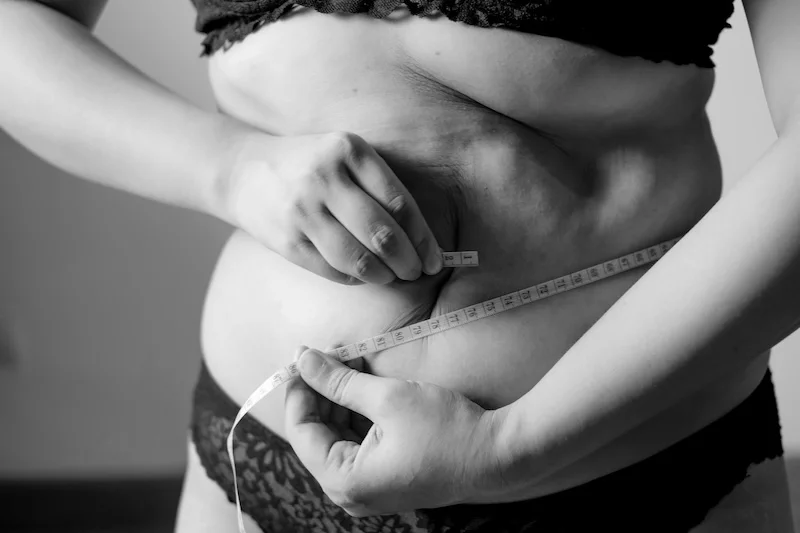
Does Walking Burn Belly Fat?
Learn why spot reduction is a myth, how walking helps reduce overall body fat, the best intensities and step targets for belly fat loss, and how diet influences results.
A Simple Walking Routine To Lose Weight
Discover what makes a walking routine effective, follow a sample weekly plan for steady fat loss, learn how to scale duration and intensity, and get tips for long-term consistency.
Does Walking 10,000 Steps A Day Help You Lose Weight?
Discover the truth behind the 10,000 steps number, how many steps you actually need for fat loss, realistic ways to reach 10K daily, and how to boost calorie burn beyond step count.