
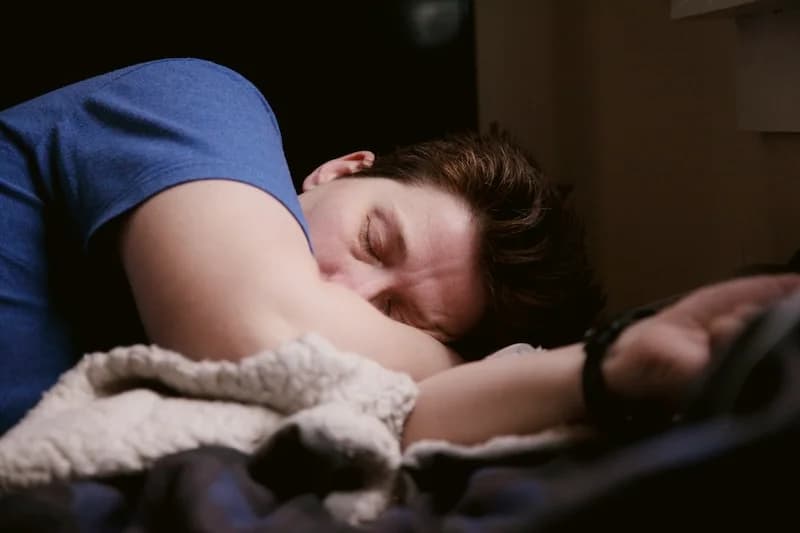
How Walking Can Improve Your Sleep Quality

Discover how regular walking impacts sleep cycles, the best times of day to walk for better sleep, how walking reduces stress before bedtime, and how to build a sleep-friendly walking routine.
Millions of people struggle with sleep. They toss and turn, wake frequently, or never feel fully rested. While many reach for supplements or medications, one of the most effective sleep aids is completely free and natural: walking.
Regular walking can dramatically improve how quickly you fall asleep, how deeply you sleep, and how refreshed you feel in the morning. Here is how walking improves sleep and how to optimize your walking routine for better rest.
How Regular Walking Impacts Sleep Cycles
Walking influences sleep through multiple biological mechanisms.
Circadian Rhythm Regulation
Your body has an internal clock that governs sleep-wake cycles:
How walking helps:
- Exposure to daylight during walks reinforces circadian rhythm
- Physical activity signals "daytime" to your body
- Creates clearer distinction between active day and restful night
- Helps your body know when to feel sleepy
The light factor:
- Outdoor walking provides natural light exposure
- Even cloudy days provide significant light
- Morning light is particularly powerful for circadian regulation
- Helps set your internal clock
Body Temperature Effects
Walking affects body temperature in ways that promote sleep:
During walking:
- Core body temperature rises
- Blood flow increases
- Metabolic activity elevates
After walking:
- Temperature gradually decreases
- This cooling signals sleep readiness
- Mimics natural pre-sleep temperature drop
- Helps trigger sleepiness
Research shows that the post-exercise drop in body temperature can help you fall asleep faster. This is one reason why timing your walks appropriately matters for sleep benefits.
Adenosine Accumulation
Adenosine is a chemical that builds up during waking hours:
How it works:
- Physical activity increases adenosine production
- Adenosine creates "sleep pressure"
- The more adenosine, the sleepier you feel
- Walking accelerates this natural process
Result:
- Stronger drive to sleep at bedtime
- Faster sleep onset
- More consolidated sleep
Stress Hormone Reduction
Walking lowers stress hormones that interfere with sleep:
Cortisol effects:
- Walking reduces cortisol levels
- Lower cortisol in evening promotes sleep
- Chronic stress disrupts sleep architecture
- Regular walking breaks the stress-sleep cycle
Adrenaline reduction:
- Walking burns off excess adrenaline
- Reduces the "wired" feeling
- Calms the nervous system
- Prepares body for rest
Sleep Architecture Improvement
Walking improves the structure of your sleep:
Deep sleep (slow-wave sleep):
- Physical activity increases deep sleep
- Deep sleep is most restorative
- Important for physical recovery
- Improves immune function
REM sleep:
- May be enhanced with regular exercise
- Important for memory and learning
- Emotional processing occurs during REM
Sleep continuity:
- Fewer nighttime awakenings
- More consolidated sleep periods
- Less fragmented rest
Best Times of Day to Walk for Better Sleep
When you walk matters for sleep quality.
Morning Walking
Walking in the morning offers unique sleep benefits:
Advantages:
- Strong light exposure reinforces circadian rhythm
- Sets your internal clock for the day
- Cortisol naturally peaks in morning (walking uses it productively)
- Creates energy that lasts through the day
Sleep effects:
- Helps you feel sleepy at appropriate bedtime
- Regulates sleep-wake cycle
- Particularly helpful for night owls trying to shift earlier
Best for:
- People who have trouble falling asleep at night
- Those who want to wake earlier
- Anyone with irregular sleep schedules
Afternoon Walking
Mid-day or early afternoon walks work well:
Advantages:
- Enough time before bed for body to cool down
- Breaks up sedentary work day
- Provides energy boost without disrupting sleep
- Good light exposure
Sleep effects:
- Temperature drop occurs well before bedtime
- Stress reduction benefits carry into evening
- Does not interfere with sleep onset
Best for:
- Most people
- Those with lunch break flexibility
- Anyone who feels sluggish in afternoon
If you can only walk once per day, late afternoon (4-6 PM) is often ideal for sleep. It is late enough to build sleep pressure but early enough that your body temperature drops before bedtime.
Early Evening Walking
Walking in early evening (before dinner or shortly after) can work:
Advantages:
- Helps transition from work to relaxation
- Post-dinner walks aid digestion
- Still allows time for cooling before bed
- Can be social (family walks)
Considerations:
- Keep intensity moderate
- Allow 2-3 hours before bedtime
- Avoid very vigorous exercise
Best for:
- People who struggle with evening stress
- Those who eat dinner early
- Family walking routines
Late Evening Walking
Walking close to bedtime requires caution:
Potential issues:
- May elevate body temperature too close to sleep
- Could increase alertness
- Bright lights during walk may disrupt melatonin
When it can work:
- Very gentle, relaxed walking
- Short duration (10-15 minutes)
- In dim lighting conditions
- Some people find it relaxing
Best for:
- People who find gentle walking calming
- Those who need to "walk off" the day
- Must be low intensity
Timing Summary
How Walking Reduces Stress Before Bedtime
Stress is one of the biggest sleep disruptors. Walking directly addresses this.
The Stress-Sleep Connection
Stress interferes with sleep in multiple ways:
Physical effects:
- Elevated heart rate
- Muscle tension
- Increased cortisol
- Activated nervous system
Mental effects:
- Racing thoughts
- Worry and anxiety
- Difficulty "switching off"
- Rumination
How Walking Breaks the Cycle
Walking provides powerful stress relief:
Immediate effects:
- Burns stress hormones
- Releases endorphins
- Shifts focus from worries
- Activates relaxation response
Cumulative effects:
- Builds stress resilience
- Improves mood regulation
- Reduces baseline anxiety
- Creates healthier coping patterns

Steps App
FreeSteps App helps you build a consistent walking routine that supports better sleep. Track your daily steps, see your activity patterns over time, and use the insights to understand how your walking habits correlate with how you feel. The achievement system rewards consistency, helping you maintain the regular walking schedule that promotes quality sleep.
Walking as Moving Meditation
Walking can be a mindfulness practice:
Mindful walking techniques:
- Focus on physical sensations
- Notice your breathing
- Observe surroundings without judgment
- Let thoughts pass without engaging
Benefits for sleep:
- Trains the mind to quiet
- Reduces rumination
- Creates mental space
- Prepares mind for rest
Processing the Day
Walking provides time to mentally process:
- Work through problems
- Reflect on the day
- Plan for tomorrow
- Gain perspective
This mental processing can prevent thoughts from keeping you awake at bedtime.
Physical Tension Release
Walking releases physical stress:
Muscle relaxation:
- Movement releases tension
- Rhythmic motion is soothing
- Improves circulation
- Reduces physical discomfort
Nervous system calming:
- Activates parasympathetic system
- Slows heart rate
- Deepens breathing
- Promotes relaxation
How to Build a Sleep-Friendly Walking Routine
Creating a sustainable walking habit that optimizes sleep requires strategy.
Establish Consistency
Regular walking provides the best sleep benefits:
Why consistency matters:
- Circadian rhythm responds to regular patterns
- Sleep benefits accumulate over time
- Habit formation requires repetition
- Body adapts and expects activity
How to build consistency:
- Walk at the same time daily
- Start with achievable goals
- Track your walks
- Do not skip more than one day
Find Your Optimal Time
Experiment to find what works for you:
Week 1-2: Try morning walks Week 3-4: Try afternoon walks Week 5-6: Try early evening walks
Track:
- How quickly you fall asleep
- Sleep quality
- How rested you feel
- Energy levels
Choose the time that produces the best sleep results for you.
Set Appropriate Duration
How long should you walk for sleep benefits?
Recommendations:
- Minimum: 20 minutes
- Optimal: 30-45 minutes
- Any walking is better than none
Choose the Right Intensity
Moderate intensity works best for sleep:
Too light:
- Minimal physical stress
- Limited adenosine building
- Fewer temperature effects
Just right (moderate):
- Noticeable exertion
- Can still talk comfortably
- Heart rate elevated
- Slight breathlessness
Too intense (close to bedtime):
- May overstimulate
- Elevates temperature too much
- Increases alertness
Avoid vigorous exercise within 2-3 hours of bedtime. While some people can handle late intense exercise, most find it interferes with falling asleep. If you must exercise in the evening, keep it gentle.
Create a Wind-Down Routine
Combine walking with other sleep-promoting habits:
Before your walk:
- Finish work tasks
- Put away screens
- Change into comfortable clothes
After your walk:
- Gentle stretching
- Warm shower or bath
- Dim lights
- Relaxing activities
Address Common Barriers
Overcome obstacles to consistent walking:
Weather:
- Indoor alternatives (mall, treadmill)
- Appropriate clothing
- Shorter walks when needed
Time:
- Break walks into shorter sessions
- Combine with commuting
- Prioritize as self-care
Motivation:
- Walk with others
- Listen to engaging content
- Track progress
- Focus on sleep benefits
Track Sleep Improvements
Monitor how walking affects your sleep:
What to track:
- Time to fall asleep
- Number of awakenings
- Sleep quality rating
- Morning energy level
- Walking duration and time
Look for patterns:
- Which walking times help most
- Optimal duration for you
- How consistency affects sleep
Additional Sleep Hygiene Tips
Walking works best as part of overall sleep hygiene.
Complement Walking with These Habits
Light exposure:
- Get bright light in morning
- Dim lights in evening
- Avoid screens before bed
Caffeine management:
- No caffeine after early afternoon
- Be aware of hidden sources
- Individual sensitivity varies
Consistent schedule:
- Same bedtime and wake time
- Even on weekends
- Reinforces circadian rhythm
Sleep environment:
- Cool temperature (65-68°F)
- Dark room
- Quiet or white noise
- Comfortable bedding
Evening routine:
- Relaxing activities before bed
- Avoid stimulating content
- Prepare for next day
- Wind down gradually
When to Seek Help
Walking may not solve all sleep problems:
Consult a healthcare provider if:
- Sleep problems persist despite lifestyle changes
- You suspect sleep apnea (snoring, gasping)
- Chronic insomnia affects daily function
- You experience unusual sleep behaviors
Walking is powerful but not a cure-all.
The Bottom Line
Walking is one of the most effective natural sleep aids available. It regulates your circadian rhythm, promotes healthy body temperature patterns, reduces stress, and improves sleep architecture. By walking consistently at the right time and intensity, you can dramatically improve how quickly you fall asleep and how rested you feel.
Key takeaways:
- Walking improves sleep through multiple biological mechanisms
- Morning or afternoon walks are generally best for sleep
- Avoid vigorous exercise close to bedtime
- Consistency matters more than any single walk
- 30-45 minutes at moderate intensity is optimal
- Combine walking with good sleep hygiene
- Track your sleep to find what works for you
Start walking for better sleep today. Your nights will thank you.
References
Free calculators for this topic
Related Posts
Daily Step Count For Better Senior Health
Learn why walking is essential for seniors, recommended step ranges for older adults, how to safely increase steps, and the best walking tips for seniors with mobility limits.
The Mental Health Benefits Of Walking
Discover how walking affects stress and anxiety, boosts mood and happiness, supports cognitive function, and how to use walking as part of a mental wellness routine.
Walking To Prevent Diabetes What Science Says
Learn how walking improves insulin sensitivity, how many minutes or steps reduce diabetes risk, the best walking intensities for prevention, and daily habits that support healthy glucose levels.