
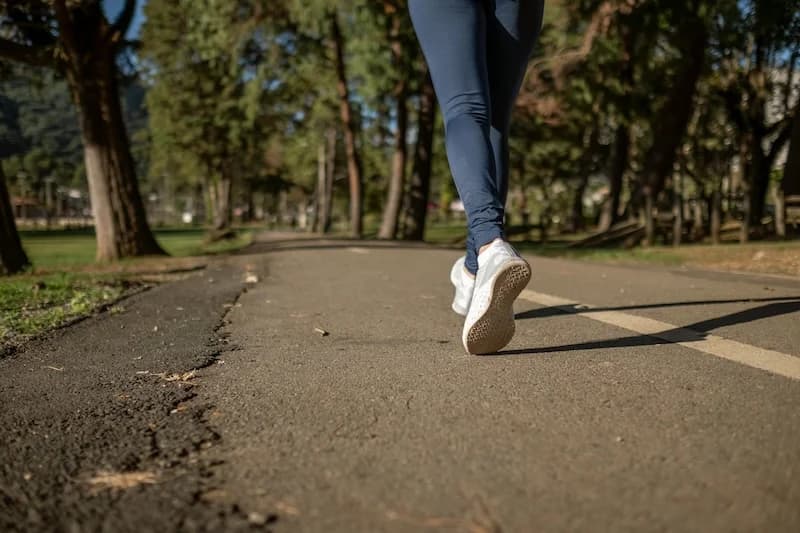
How To Lose Weight By Walking One Hour A Day

Learn how many calories a 60-minute walk burns, the weekly fat loss impact, how to make hour-long walks more effective, and diet habits that pair well with daily walking.
Walking one hour a day is a powerful weight loss strategy. It is long enough to burn significant calories, short enough to fit into most schedules, and gentle enough to do every day.
Here is exactly what you can expect from committing to 60 minutes of daily walking.
Calorie Burn Expectations From a 60-Minute Walk
Understanding the numbers helps you set realistic expectations.
The Basic Calculation
Calorie burn during walking depends on:
- Your body weight
- Walking speed
- Terrain (flat vs hills)
- Your fitness level
Here is what a 60-minute walk burns at different weights and speeds:
Calorie Burn by Weight (Moderate Pace, 3.0 mph)
Calorie Burn by Weight (Brisk Pace, 4.0 mph)
A heavier person burns more calories walking the same distance as a lighter person. This means walking is especially effective for weight loss when you have more weight to lose.
Factors That Increase Calorie Burn
You can boost your hourly burn by:
Walking faster:
- 3.0 mph: Moderate (burns baseline)
- 3.5 mph: Brisk (burns 20% more)
- 4.0 mph: Fast (burns 40% more)
Adding incline:
- 5% incline: Burns 50% more calories
- 10% incline: Burns 80-100% more calories
Carrying weight:
- Weighted vest: Burns 10-15% more
- Light backpack: Burns 5-10% more
Walking on varied terrain:
- Sand: Burns 50% more
- Trails: Burns 10-20% more
- Grass: Burns 5-10% more
What the Numbers Mean
For a 180-pound person walking briskly for one hour:
- Daily burn: ~410 calories
- Weekly burn: ~2,870 calories
- Monthly burn: ~12,300 calories
Since one pound of fat equals approximately 3,500 calories, this equals about 3.5 pounds of potential fat loss per month from walking alone.
Weekly Fat Loss Impact With Consistent Walks
Consistency is where the magic happens.
The Math of Weekly Walking
Walking one hour daily, seven days a week:
Realistic Monthly Projections
Long-Term Impact
Over one year of consistent hour-long daily walks:
These projections assume no changes to your diet. Adding modest calorie reduction to your walking routine can double your weight loss results.
Why Consistency Matters More Than Perfection
Walking 6 days a week beats walking 7 days one week and 0 the next:
- Regular walking keeps metabolism elevated
- Habits form through repetition
- Missing one day does not erase progress
- Sustainable routines produce lasting results
Aim for 5-7 days per week. If you miss a day, resume the next day without guilt.
How to Make One-Hour Walks More Effective
Maximize your results with these strategies.
Break It Into Chunks
You do not need 60 consecutive minutes:
Option 1: Two 30-minute walks
- Morning: 30 minutes before work
- Evening: 30 minutes after dinner
Option 2: Three 20-minute walks
- Morning: 20 minutes
- Lunch: 20 minutes
- Evening: 20 minutes
Option 3: Four 15-minute walks
- Spread throughout the day
- Great for busy schedules
Research shows accumulated walking provides the same benefits as continuous walking.
Add Intensity Intervals
Varying your pace burns more calories:
Simple interval structure:
- 5 minutes: Warm up (easy pace)
- 3 minutes: Brisk pace
- 2 minutes: Easy pace
- Repeat brisk/easy pattern for 45 minutes
- 5 minutes: Cool down (easy pace)
This burns 15-20% more calories than steady-pace walking.
Include Hills or Incline
Elevation changes dramatically increase calorie burn:
Outdoor options:
- Find hilly routes in your area
- Walk stadium stairs
- Find parking garage ramps
Treadmill options:
- Set incline to 3-5% for moderate boost
- Try incline intervals (2 min flat, 2 min incline)
Use Proper Form
Efficient walking form burns more calories:
- Stand tall with shoulders back
- Engage your core
- Swing arms naturally
- Take natural strides (not too long)
- Push off with your toes
Walk at Different Times
Varying your walking time provides different benefits:
Morning walks:
- May burn more fat (fasted state)
- Boosts energy for the day
- Fewer scheduling conflicts
After-meal walks:
- Helps regulate blood sugar
- Aids digestion
- Uses calories from recent food
Evening walks:
- Reduces stress
- Improves sleep quality
- Burns calories before bed

Steps App
FreeSteps App tracks your active time alongside your steps, so you can see exactly how much time you spend walking each day. Set a goal for 60 minutes of activity and watch your daily progress. The calorie estimates help you understand the impact of your walks.
Make It Enjoyable
An enjoyable walk is a walk you will repeat:
- Listen to podcasts or audiobooks
- Create energizing playlists
- Walk with friends or family
- Explore new routes regularly
- Walk in nature when possible
Track Your Progress
Monitoring progress keeps you motivated:
- Log daily walking time
- Track weekly totals
- Note how you feel
- Celebrate milestones
Diet Habits That Pair Well With Daily Walking
Walking creates a calorie deficit. Smart eating amplifies it.
The Combined Approach
Walking alone produces modest weight loss. Adding dietary changes accelerates results:
Eating Strategies That Work
Protein at every meal:
- Keeps you full longer
- Preserves muscle during weight loss
- Supports recovery from walking
- Aim for 20-30g per meal
Fiber-rich foods:
- Vegetables at every meal
- Whole grains instead of refined
- Fruits for natural sweetness
- Legumes for protein and fiber
Hydration:
- Drink water before meals
- Carry water on walks
- Often thirst is mistaken for hunger
- Aim for 8+ glasses daily
Do not drastically cut calories while walking an hour daily. Eating too little leads to fatigue, muscle loss, and metabolic slowdown. Aim for a moderate 300-500 calorie daily reduction.
What to Eat Before Walking
For morning walks (fasted):
- Water or black coffee is fine
- Some people prefer a small snack
- Listen to your body
For other walks:
- Light snack 30-60 minutes before
- Banana, handful of nuts, or yogurt
- Avoid heavy meals right before
What to Eat After Walking
Within 1-2 hours:
- Balanced meal with protein and carbs
- Helps recovery and muscle maintenance
- Replenishes energy stores
Good post-walk meals:
- Eggs and whole grain toast
- Greek yogurt with fruit
- Chicken with vegetables and rice
- Fish with sweet potato
Foods to Limit
Reduce (not eliminate) these for faster results:
- Sugary drinks and sodas
- Processed snacks
- Fried foods
- Excessive alcohol
- Large portion sizes
The 80/20 Approach
Eat well 80% of the time:
- Focus on whole, unprocessed foods
- Prepare meals at home when possible
- Read nutrition labels
Allow flexibility 20% of the time:
- Enjoy social meals
- Have occasional treats
- Do not obsess over perfection
This sustainable approach prevents burnout and binge eating.
Making One Hour Fit Your Schedule
Finding 60 minutes daily requires planning.
Morning Walkers
Wake up earlier:
- Set alarm 70 minutes earlier (60 min walk + 10 min buffer)
- Prepare clothes the night before
- Have a consistent wake time
Benefits:
- Guaranteed completion before day gets busy
- Energizes you for the day
- Fewer excuses
Lunch Break Walkers
Split your break:
- Eat in 15-20 minutes
- Walk for 30-40 minutes
- Supplement with morning or evening walking
Benefits:
- Breaks up the workday
- Reduces afternoon slump
- No extra time commitment
Evening Walkers
Schedule it:
- Block time on your calendar
- Walk before dinner or after
- Make it a family activity
Benefits:
- Decompresses after work
- Improves sleep quality
- Can be social
Weekend Warriors
If weekday walks are shorter:
- Longer walks on weekends (90-120 minutes)
- Explore trails or new areas
- Make it an adventure
Combining Strategies
Most successful walkers mix approaches:
- 30 minutes before work
- 15 minutes at lunch
- 15 minutes after dinner
- Total: 60 minutes
Flexibility ensures consistency.
The Bottom Line
Walking one hour a day is a proven weight loss strategy. It burns 300-500+ calories, creates a meaningful calorie deficit, and is sustainable long-term.
Key takeaways:
- A 60-minute walk burns 300-500+ calories depending on weight and pace
- Consistent daily walking can lead to 3-4+ pounds of fat loss per month
- Break walks into chunks if needed
- Add intensity through intervals and inclines
- Combine walking with modest dietary changes for faster results
- Make walks enjoyable to ensure consistency
- Track progress to stay motivated
One hour a day. Every day. The results will follow.
References
Free calculators for this topic
Related Posts
Walking Speed Vs Calories Burned Explained
Learn how walking speed impacts calorie burn, see examples at different speeds, discover how to safely increase your pace, and understand when slower walks are still beneficial.
A Walking Schedule That Helps You Burn Extra Calories
Learn why scheduling walks increases calorie burn, follow sample weekday and weekend schedules, incorporate intensity shifts, and keep your schedule sustainable long-term.

Why Brisk Walking Is A Weight Loss Power Move
Learn what qualifies as brisk walking, how it boosts calorie burn, how often to add it to your routine, and tips to maintain a brisk pace consistently.