
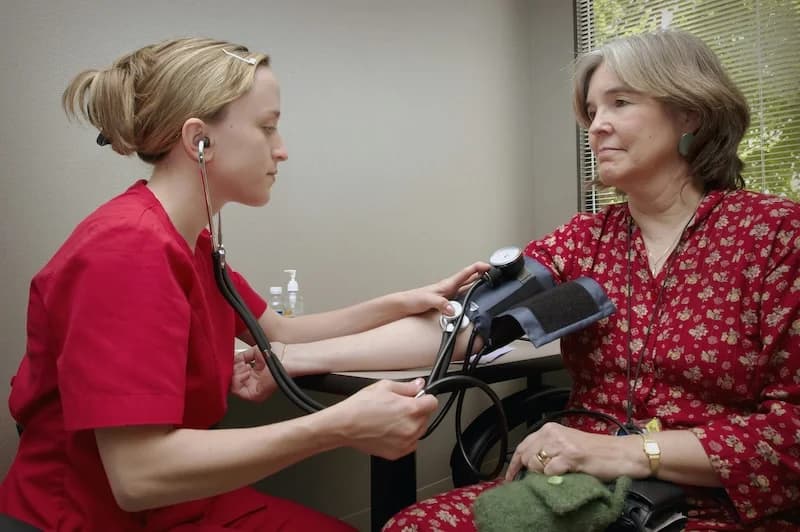
How Many Steps Per Day to Reduce Blood Pressure? Evidence-Based Targets

Learn how walking impacts blood pressure and the step targets that can help lower your numbers. Discover practical strategies for combining walking with lifestyle changes.
High blood pressure affects nearly half of all adults. The good news? Walking is one of the most effective natural ways to lower it. But how many steps do you need to see real results?
Let us explore the research and find practical step targets for blood pressure management.
How Walking Impacts Blood Pressure and Circulation
Understanding why walking helps explains how to get the most benefit from it.
The Immediate Effects
When you walk, several things happen to your cardiovascular system:
- Blood vessels dilate: Exercise causes blood vessels to expand, reducing resistance
- Heart pumps more efficiently: Regular walking strengthens the heart muscle
- Blood flows more smoothly: Improved circulation reduces the pressure needed to move blood
These effects begin during your walk and can last for hours afterward, a phenomenon called post-exercise hypotension.
The Long-Term Benefits
Consistent walking leads to lasting changes:
- Reduced arterial stiffness: Blood vessels become more flexible
- Lower resting heart rate: The heart does not have to work as hard
- Improved endothelial function: The inner lining of blood vessels works better
- Reduced stress hormones: Cortisol and adrenaline, which raise blood pressure, decrease
A meta-analysis in the Journal of Hypertension found that regular walking reduces systolic blood pressure by an average of 5 to 8 mmHg and diastolic pressure by 3 to 5 mmHg.
A 5 mmHg reduction in systolic blood pressure can reduce the risk of stroke by 14 percent and heart disease by 9 percent, according to research in The Lancet.
Why Walking Works Better Than You Think
Walking is particularly effective for blood pressure because:
- It is sustainable long-term (unlike intense exercise that leads to burnout)
- It can be done daily without recovery days
- It reduces stress, which directly affects blood pressure
- It promotes weight loss, another factor in blood pressure
Practical Step Targets for Blood Pressure Management
Research provides clear guidance on how many steps help lower blood pressure.
The Research-Based Numbers
Multiple studies have examined steps and blood pressure:
Hypertension Research Study: Adults who walked 8,000 to 10,000 steps per day had significantly lower blood pressure than those walking fewer than 5,000 steps.
American Heart Association Data: Walking 150 minutes per week (about 15,000 steps) is associated with a 5 to 8 mmHg reduction in systolic blood pressure.
JAMA Network Open: Each additional 1,000 steps per day was associated with measurable blood pressure improvement, with benefits plateauing around 10,000 steps.
Step Targets by Blood Pressure Status
These targets assume consistent daily walking. Sporadic high-step days provide less benefit than consistent moderate-step days.
If you have high blood pressure, consult your doctor before starting or significantly increasing an exercise program. Walking is generally safe, but medical guidance ensures you progress appropriately.
Starting Points for Different Situations
If you are currently sedentary:
- Week 1-2: 4,000 steps per day
- Week 3-4: 5,000 steps per day
- Week 5-6: 6,000 steps per day
- Continue adding 500-1,000 steps every two weeks until reaching 8,000-10,000
If you are already moderately active:
- Focus on consistency rather than increasing steps
- Ensure you hit your target most days of the week
- Consider adding intensity (brisk walking) rather than more steps
If you have mobility limitations:
- Any increase from your current baseline helps
- Focus on what you can do consistently
- Consider water walking or seated exercises as alternatives
Combining Walking With Lifestyle Changes
Walking is powerful, but combining it with other lifestyle changes maximizes blood pressure reduction.
The DASH Approach
The DASH (Dietary Approaches to Stop Hypertension) diet combined with exercise is highly effective. Key elements:
- Reduce sodium: Aim for less than 2,300 mg per day (ideally 1,500 mg)
- Increase potassium: Eat more fruits, vegetables, and legumes
- Limit alcohol: No more than one drink per day for women, two for men
- Reduce saturated fat: Choose lean proteins and healthy fats
Weight Management
Every 2.2 pounds (1 kg) of weight loss can reduce blood pressure by about 1 mmHg. Walking contributes to weight loss, creating a double benefit.
Stress Reduction
Chronic stress elevates blood pressure. Walking itself reduces stress, but consider additional strategies:
- Deep breathing exercises
- Meditation or mindfulness
- Adequate sleep (7-9 hours)
- Social connections
Caffeine and Smoking
- Limit caffeine, especially if it noticeably raises your blood pressure
- Quit smoking; it is the single most important thing you can do for cardiovascular health
Combining 8,000 daily steps with the DASH diet can reduce blood pressure by 10-15 mmHg in some people, potentially eliminating the need for medication (with doctor approval).
Medication Considerations
If you take blood pressure medication:
- Do not stop or reduce medication without consulting your doctor
- Walking may allow your doctor to reduce your dosage over time
- Monitor your blood pressure regularly, especially when starting a walking program
- Report any dizziness or unusual symptoms
How to Monitor Progress Safely
Tracking both your steps and blood pressure helps you see the connection and stay motivated.
Monitoring Blood Pressure
For accurate readings:
- Measure at the same time each day (morning is often best)
- Sit quietly for 5 minutes before measuring
- Use a validated home blood pressure monitor
- Take 2-3 readings and average them
- Record your numbers
What to Expect
Blood pressure improvements from walking typically follow this timeline:
Week 1-2: Minimal change; body is adapting
Week 3-4: Some people see initial improvements (2-3 mmHg)
Week 6-8: More consistent reductions (4-6 mmHg)
Week 12+: Full benefits realized (5-8 mmHg or more)
Be patient. Blood pressure changes gradually, and consistency matters more than intensity.
Tracking Your Steps
Monitoring your daily steps helps ensure you are hitting your targets consistently.
Steps App
FreeSteps App tracks your daily steps automatically and shows your weekly trends. See exactly how active you are and whether you are hitting your blood pressure management targets. Beautiful widgets keep your step count visible throughout the day.
Red Flags to Watch For
Contact your doctor if you experience:
- Blood pressure significantly higher than usual
- Dizziness or lightheadedness during walking
- Chest pain or pressure
- Severe headaches
- Vision changes
These symptoms require medical attention, especially if you have hypertension.
Sample Walking Plan for Blood Pressure Reduction
Here is an 8-week plan designed specifically for blood pressure management:
Weeks 1-2: Foundation
- Daily target: 4,000-5,000 steps
- Focus: Building the habit
- Pace: Comfortable, conversational
Weeks 3-4: Building
- Daily target: 5,500-6,500 steps
- Focus: Consistency
- Pace: Mostly comfortable, some brisk intervals
Weeks 5-6: Progressing
- Daily target: 7,000-8,000 steps
- Focus: Adding intensity
- Pace: Mix of moderate and brisk walking
Weeks 7-8: Optimizing
- Daily target: 8,000-10,000 steps
- Focus: Maintaining and fine-tuning
- Pace: Predominantly moderate to brisk
Ongoing Maintenance
After 8 weeks, maintain 8,000-10,000 steps daily. Focus on:
- Consistency (hitting your target most days)
- Sustainability (a routine you can maintain long-term)
- Enjoyment (making walking pleasant, not a chore)
The Bottom Line
Walking 8,000 to 10,000 steps per day can reduce blood pressure by 5 to 8 mmHg for many people. This is comparable to some blood pressure medications.
For best results:
- Start where you are and increase gradually
- Aim for consistency over intensity
- Combine walking with dietary changes (especially sodium reduction)
- Monitor your blood pressure regularly
- Work with your healthcare provider, especially if you take medication
Walking is not a replacement for medical treatment, but it is a powerful complement. Many people who walk regularly find they can reduce their medication dosage over time, with their doctor's guidance.
Your heart and blood vessels will thank you for every step you take.
References
- Journal of Hypertension: Walking and Blood Pressure
- American Heart Association: Physical Activity and Blood Pressure
- The Lancet: Blood Pressure Reduction and Cardiovascular Risk
- JAMA Network Open: Steps and Cardiovascular Health
- CDC: High Blood Pressure
- Mayo Clinic: 10 Ways to Control High Blood Pressure
Free calculators for this topic
Related Posts
How Walking Helps Reduce Blood Pressure
Learn how walking affects blood pressure scientifically, how much walking helps lower BP numbers, the best intensities and durations, and daily habits that pair well with walking for BP control.

How Many Steps Should I Walk Daily to Stay Fit (Not Lose Weight)?
Learn the right step count for general fitness when weight loss is not your goal. Discover reasonable daily step ranges and how to set maintenance goals in an app.

How Many Steps Per Day Are Healthy By Age? Complete Age-Based Guide
Discover the recommended daily step counts for every age group. Learn what research says about steps and health, and how to set the right goal for your age.